
Metric or Imperial - Here's How to Identify Your Hex Screws
Quick Answer: How can you tell if a screw is metric or imperial? The easiest way to tell is the "Wobble Test." If a metric hex key feels "nearly" right but has a slight wobble, it is likely an imperial (SAE) fastener. Additionally, metric bolts often have numbers (like 8.8 or 12.9) stamped on the head, while imperial bolts often use "radial lines" to indicate strength.
The Great DIY Dilemma
Nothing is more frustrating than reaching for a 5mm hex key only to find it's slightly too loose, while a 6mm is too big. In the UK, we often encounter a mix of both: metric for modern cars and furniture, and imperial for older machinery, American imports, or plumbing fixtures.
Visual Cues to Look For:
-
Markings: Look at the head of the screws. If you see numbers, it’s Metric. If you see straight lines pointing toward the centre, it’s Imperial.
-
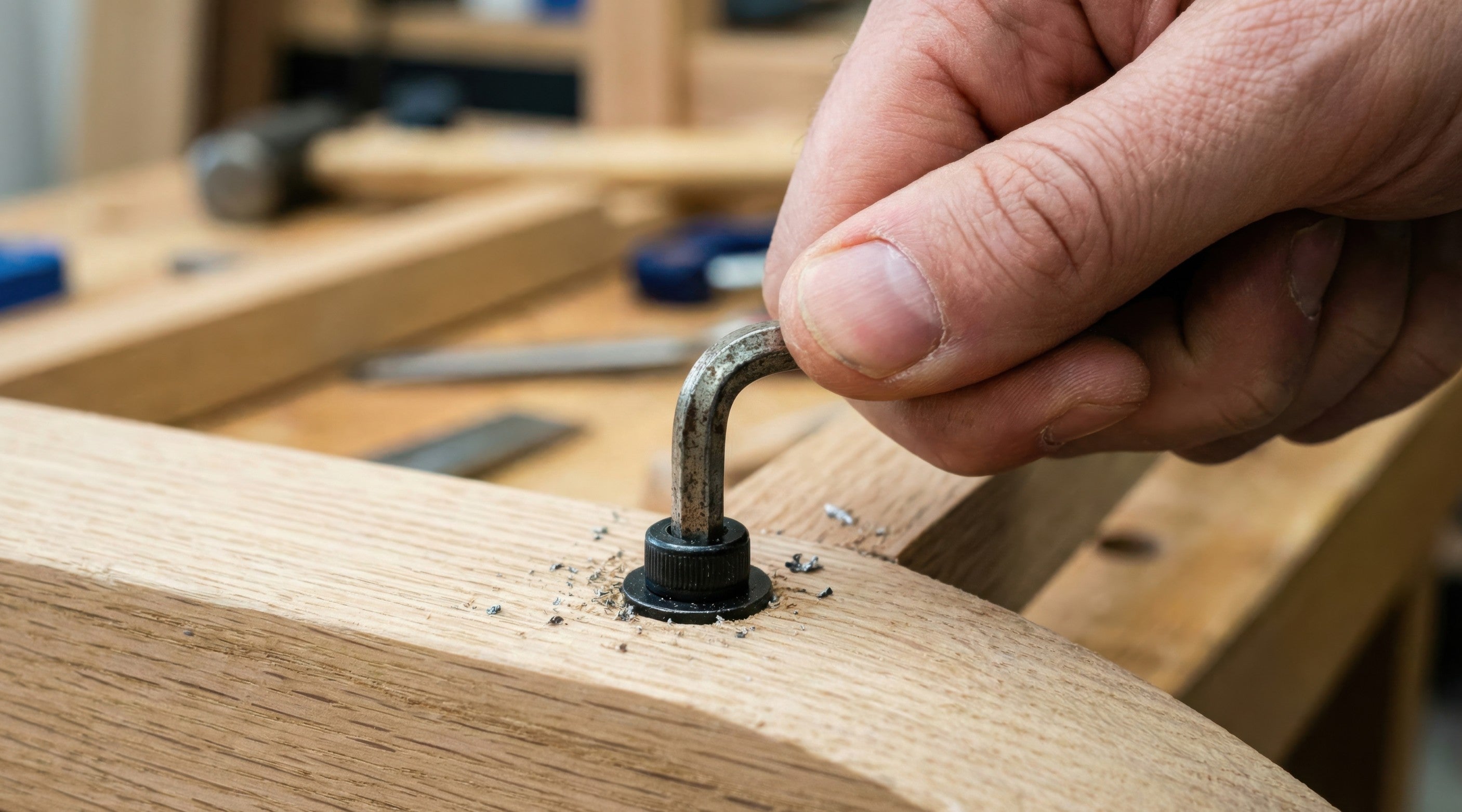
The Fit: A metric key in an imperial screw will usually feel "sloppy." If you apply torque, it will slip.
-
Thread Pitch: Imperial screws usually have coarser (wider) threads compared to the finer threads found on metric bolts.
The Golden Rule
Never "force" a fit. If it doesn't feel 100% snug, stop. Using the wrong set is the fastest way to ruin a bolt. This is why we recommend keeping a dual-set (Metric and Imperial) in your toolbox at all times. Shop the range of Allen key sets available today.